Our Native Species
THE BOBWHITE QUAIL
Dr. Ronald J. Kendall and the Texas Tech Wildlife Toxicology Laboratory is hard at work developing solutions to some of the most significant threats against Texas’ native species.
Dr. Ronald J. Kendall
The Bobwhite Quail
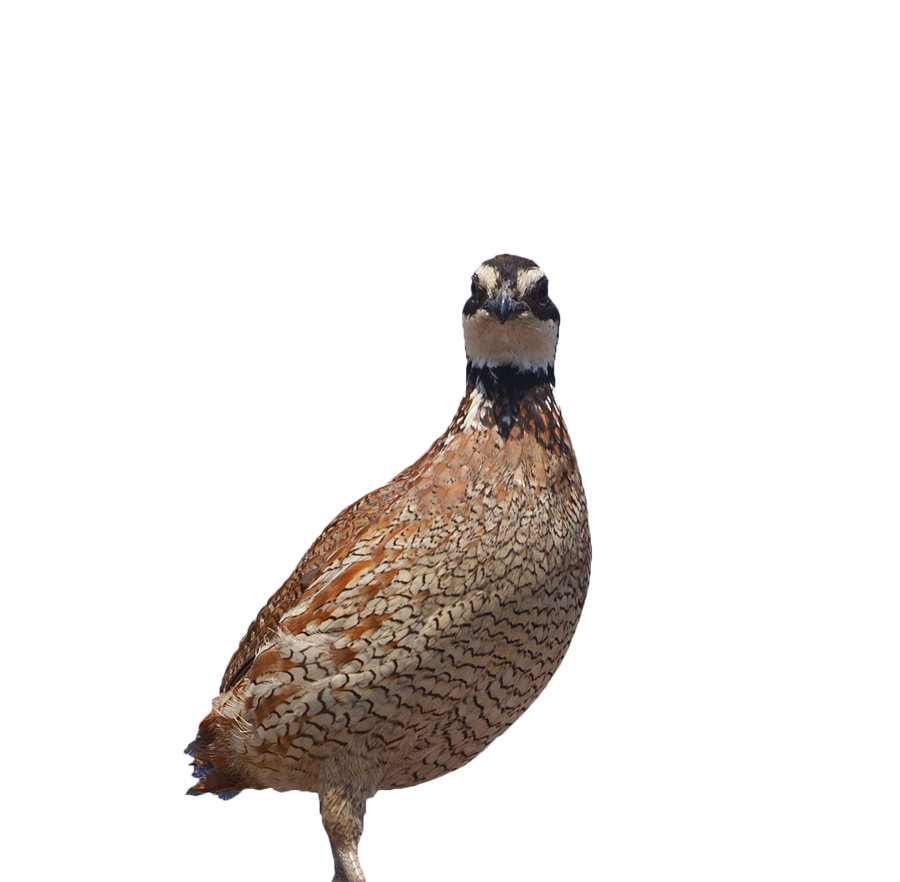
The bobwhite quail is one of the animals most synonymous with the culture of West Texas. For hundreds of years, these beautiful birds have thrived in the Rolling Plains ecoregion of Texas.
Families have bonded over quail hunting for generations. The appreciation of the bobwhite quail runs deep, but in recent years a problem has begun to emerge stronger and/or intensify.
TROUBLING FINDINGS
In 2010, landowners noticed a 70 to 90 percent decrease in quail populations. This decrease is genuinely frightening for many reasons. Even after seasons of abundant rain and environmental protection measures, the bobwhite quail population continues to suffer significant reductions. As the years passed, the quail population continued to vacillate dramatically.
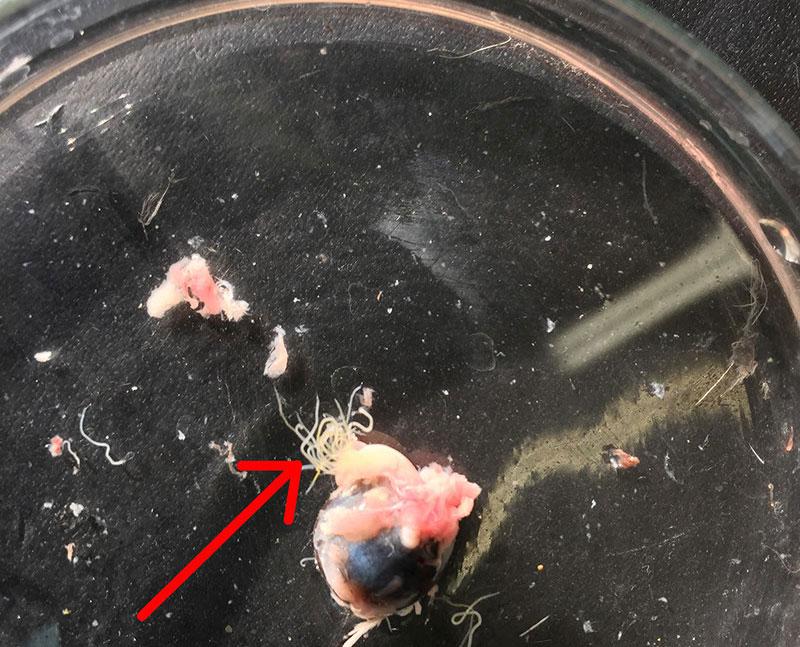
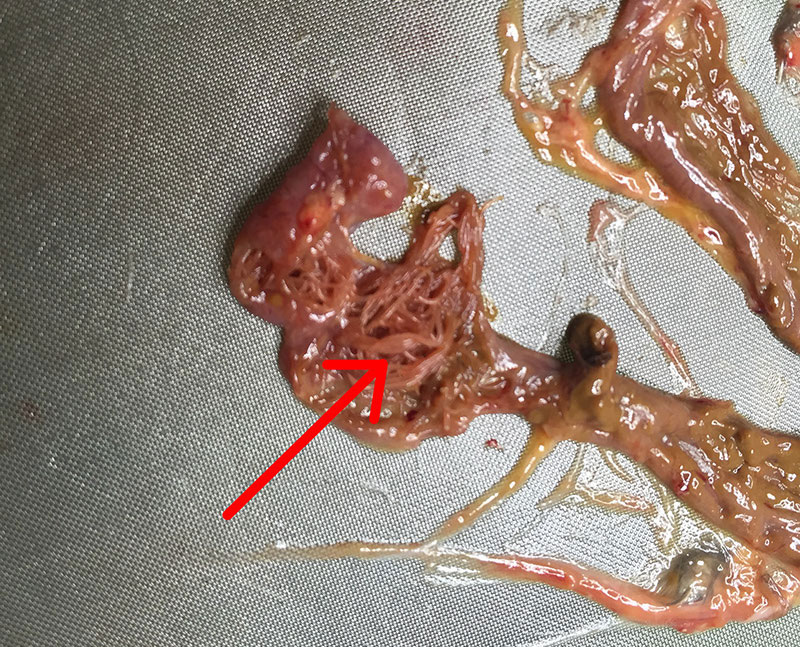
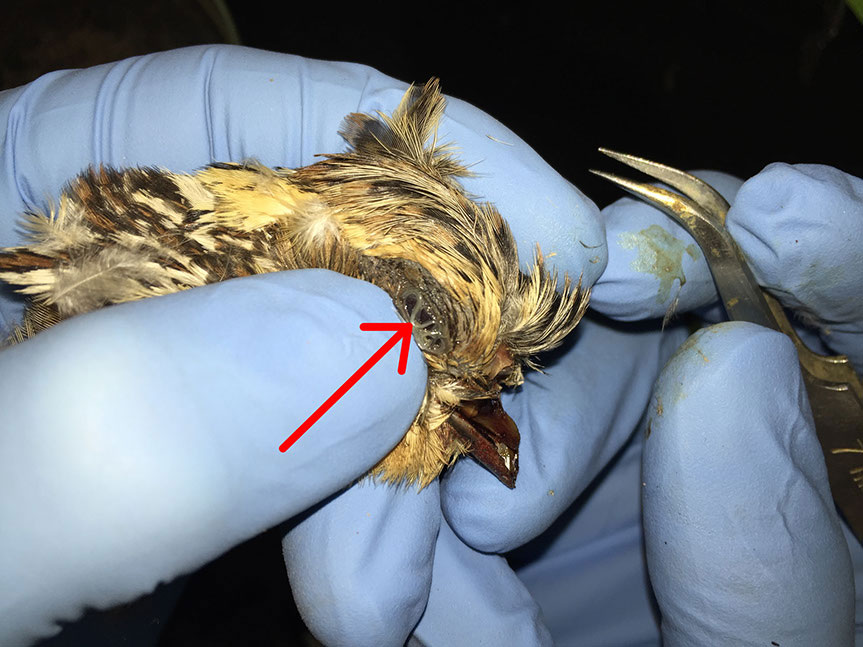
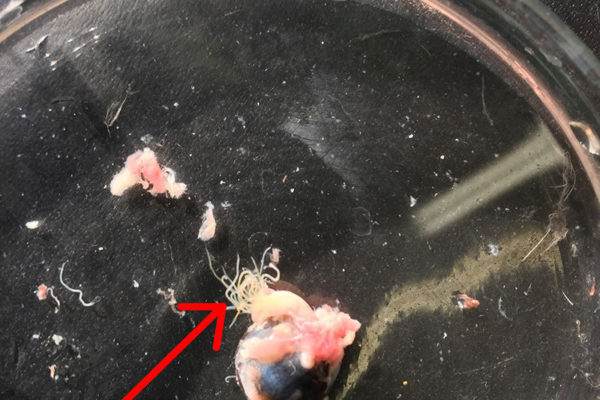
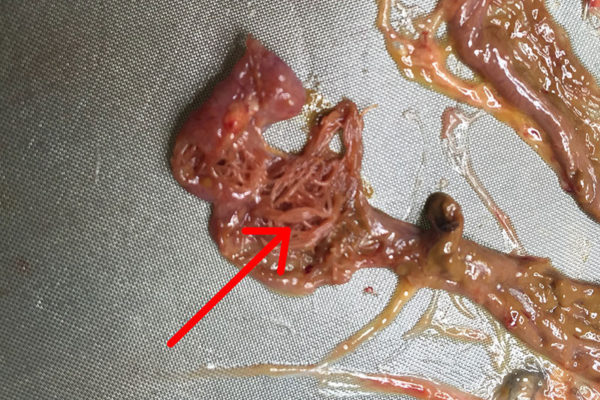
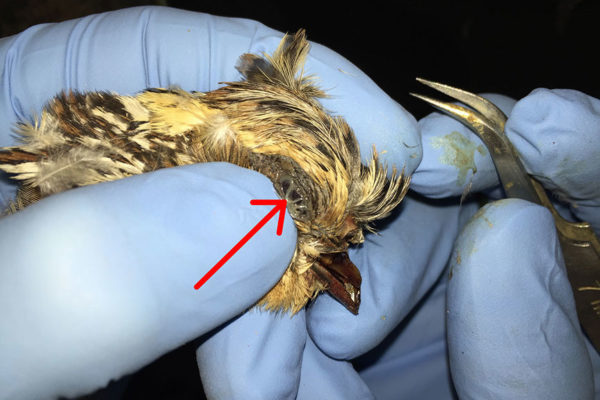
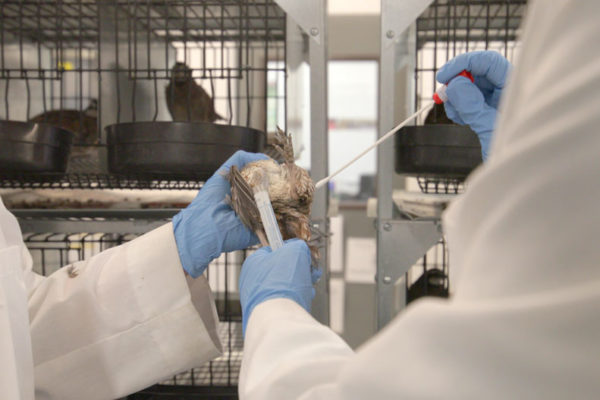
In 2012, Dr. Kendall and his team at the Texas Tech Wildlife Toxicology Laboratory made a landmark discovery. They began finding scientific evidence to support the claim that parasites are responsible for the decimation of the native quail population. Quickly Dr. Kendall and his research associates began experiments on this new found parasite in hopes of developing a treatment.
WORKING TOWARDS SOLUTION
Encouraging findings began to emerge. These led to the development of a medicated quail feed that when distributed to the bobwhite quail population in Texas could effectively kill the parasite. Since 2015, the Texas Tech Wildlife Toxicology Laboratory and the U.S. Food and Drug Administration have worked alongside each other in the development of a quail-specific medicated feed. Initial clinical tests of the medicated feed have produced incredibly promising results.
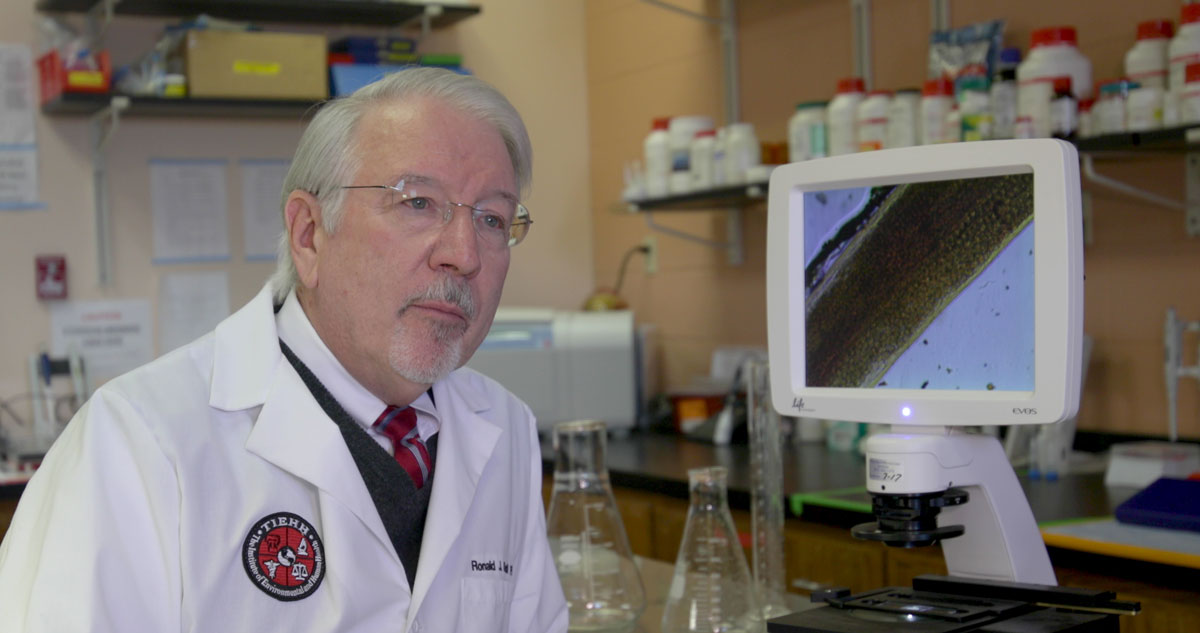
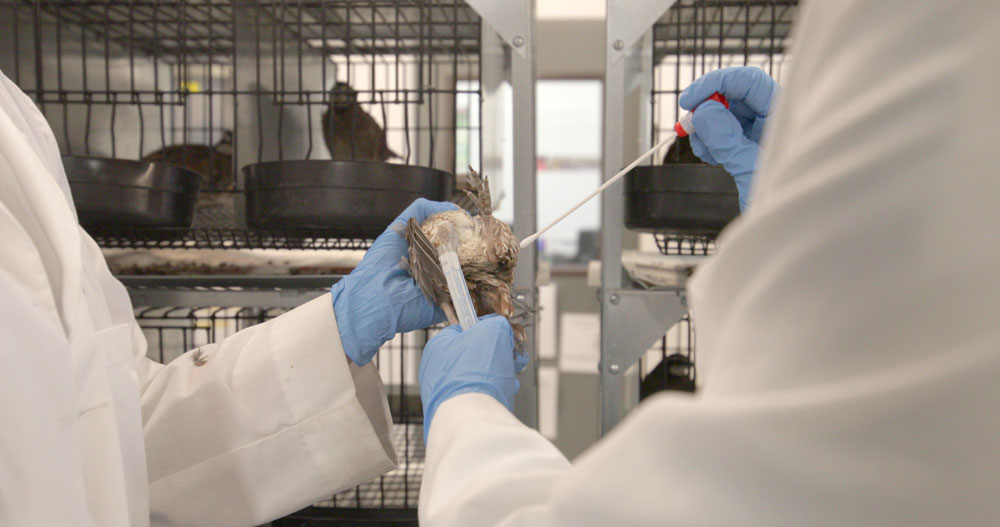
Dr. Ronald J. Kendall & the Wildlife Toxicology Lab
HOW WE CAN HELP
Now Dr. Kendall and the Wildlife Toxicology Lab need your help to save the bobwhite quail. Whether it be through donations of time or money, or a commitment to distribute the medicated feed when it is approved, there are many ways you can help save this incredible species of bird which is rooted in our rich history. Are you ready to get involved? Learn more about how you can help here.
Programs and Sites Founded
- Founded the Wildlife Toxicology Laboratory, Texas Tech University, 2012-present
- Founding Director, The Institute of Environmental and Human Health (TIEHH), Texas Tech University, 1997-2012
- Founding Chair and Professor, Department of Environmental Toxicology, Texas Tech University (Institute Faculty, Adjunct Faculty, Staff, Research Cooperators, Graduate Students – peaked at 200; 150,000 square feet Physical Plant and multi-million dollar annual budget)
- Founding Director, The Institute of Wildlife and Environmental Toxicology (TIWET), Clemson University, 1989-1997
- Founding Department Head, 1989-1995, and Professor, 1989-1997, Department of Environmental Toxicology, Clemson University
- Founding Director, Institute of Wildlife Toxicology, and Professor of Environmental Toxicology, Huxley College of Environmental Studies, Western Washington University, 1980-1989
Society of Environmental Toxicology and Chemistry (SETAC) Appointments
- Charter Member
- Current Terrestrial Toxicology Editor of the journal, Environmental Toxicology, and Chemistry
- Former President
- Former Board of Directors Member
- Former Executive Committee Member
- Former Vice-President, on the SETAC Foundation for Environmental Education Board of Directors
- Former Annual Review Editor
National Board/Committee Appointments
- US EPA Clean Air Scientific Advisory Committee appointment (September 13, 2019 – September 30, 2022)
- United States Environmental Protection Agency’s, Science Advisory Panel (Member 1995-December 2002. Chair January 1999 – December 2002
- United States Environmental Protection Agency’s, Joint SAB/SAP Review on “Data from Testing of Human Subjects” served as Chairman, 1998-2000
- United States Environmental Protection Agency’s, Science Advisory Board, Mercury Review Subcommittee, 1997
- The National Academy of Sciences’, Ecological Risk Assessment Subcommittee, Committee on Risk Assessment Methodologies, 1990-1991
- Certificate of Appreciation from the National Academies, Board of Environmental Studies and Toxicology for service on the Committee on Superfund Site Assessment and Remediation in the Coeur d’Alene River Basin, 2003-2005
- The Endocrine Disruptors Screening and Testing Advisory Committee (EDSTAC) of the USEPA, 1996-1998
- Board of Research Directors of the Canadian Network of Toxicology Centers for the Canadian Government, 1993-1999
- Former environmental advisor to the United States Justice Department, Environmental Enforcement Section
International Consultant For
- Russia
- Costa Rica
- Canada
- The Netherlands
- France
- United Kingdom
- Portugal
- Switzerland
- Addressed the United Nations Committee on Sustainable Development, United Nations, New York, 1996
Academic Achievements
- 50 past and current Ph.D. and M.S. graduate students
- Authored ten courses in environmental and wildlife toxicology
- Authored more than 400 total publications, including textbooks, book chapters, peer-reviewed scientific publications, technical papers, and technical research reports
- Given the Stephen J. Klaine Environmental Education Award by the Society of Environmental Toxicology and Chemistry
- Elected a Fellow in the Society of Environmental Toxicology and Chemistry
- Founding Chairman, Department of Environmental Toxicology, and Founding Director, The Institute of Environmental and Human Health (TEHH), Texas Tech University
- Fulbright Fellow
- ResearchGate
- Google Scholar
Personal Education
- Graduated with honors from the University of South Carolina,
- M.S. degree from Clemson University and
- Ph.D. from Virginia Polytechnic Institute and State University,
- United States Environmental Protection Agency postdoctoral traineeship in toxicology at the Massachusetts Institute of Technology (MIT)
Awards
- Founders Award, Society of Environmental Toxicology and Chemistry (SETAC), 2021
- Integrated Scholar, Texas Tech University, Inaugural Class, 2009
- As Principal Investigator have received over 155 research grants totaling more than $53 million dollars
- SETAC Fellow, Society of Environmental Toxicology and Chemistry, 2017
- Stephen J. Klaine Environmental Education Award, Society of Environmental Toxicology and Chemistry, 2017
- Finalist for the Texas Environmental Excellence Award, Individual category, Texas Commission on Environmental Quality and Governor Rick Perry, 2013
- Outstanding Researcher Award, College of Arts & Sciences, Texas Tech University, 2013, 2010, 2003
- Gerald H. Cross Alumni Leadership Award, Virginia Tech University, 2010
- President’s Book Award, “Advances in Biological and Chemical Terrorism Countermeasures”, Texas Tech University, 2010
- Texas Environmental Excellence Award, Education category, as Director of The Institute of Environmental and Human Health, Texas Commission on Environmental Quality and Governor Rick Perry, 2009
- “Award of Appreciation” from United States Environmental Protection Agency for service related to Chairmanship of the EPA Scientific Advisory Panel for implementation of the Federal Insecticide, Fungicide and Rodenticide Act and the Food Quality Protection Act of 1996, January 2004. Served as Chairman, January 1999 to December 2002
- Alumni Research Award for outstanding faculty research at Clemson University, 1996
- Fulbright Fellowship, 1991
- Paul J. and Ruth Olscamp Research Award, from Western Washington State University, 1987